No products in the basket.
 Christmas Card Collections
Blog Posts
The Eric Ravilious Zodiac.
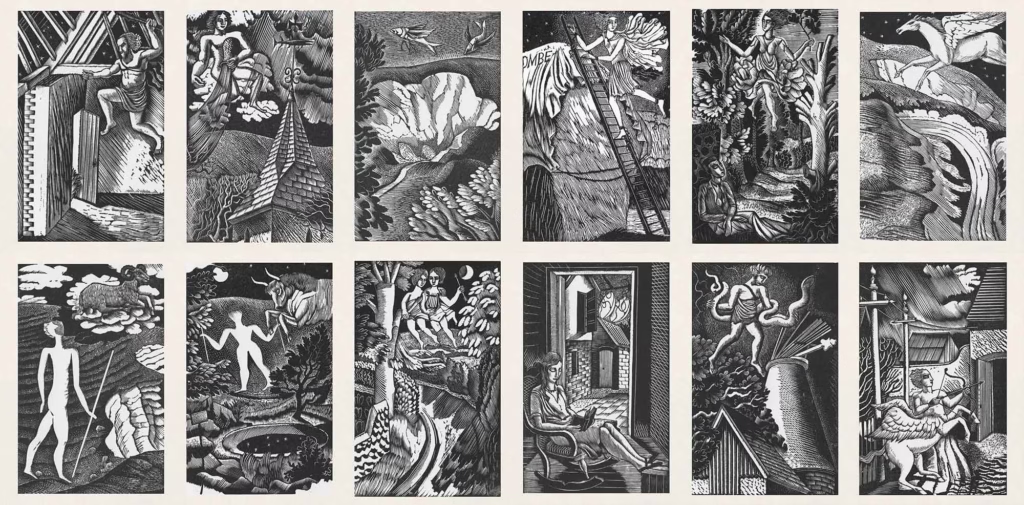
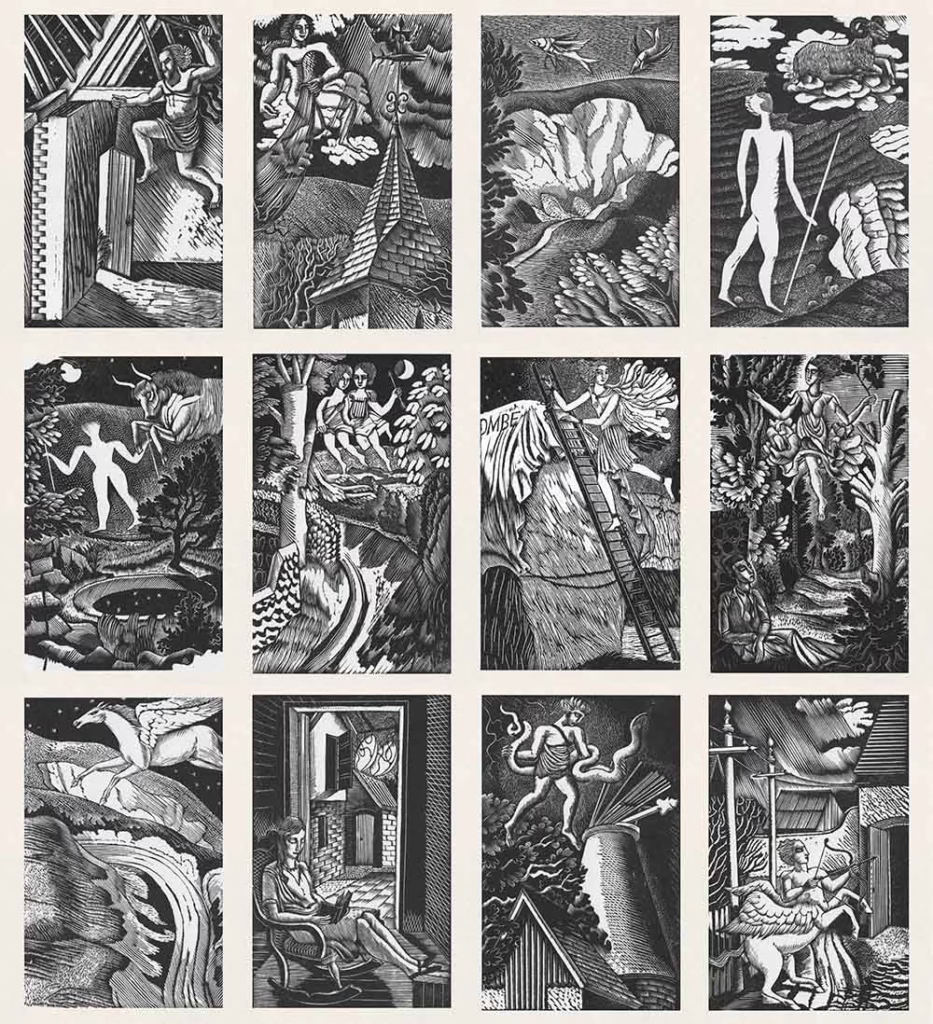
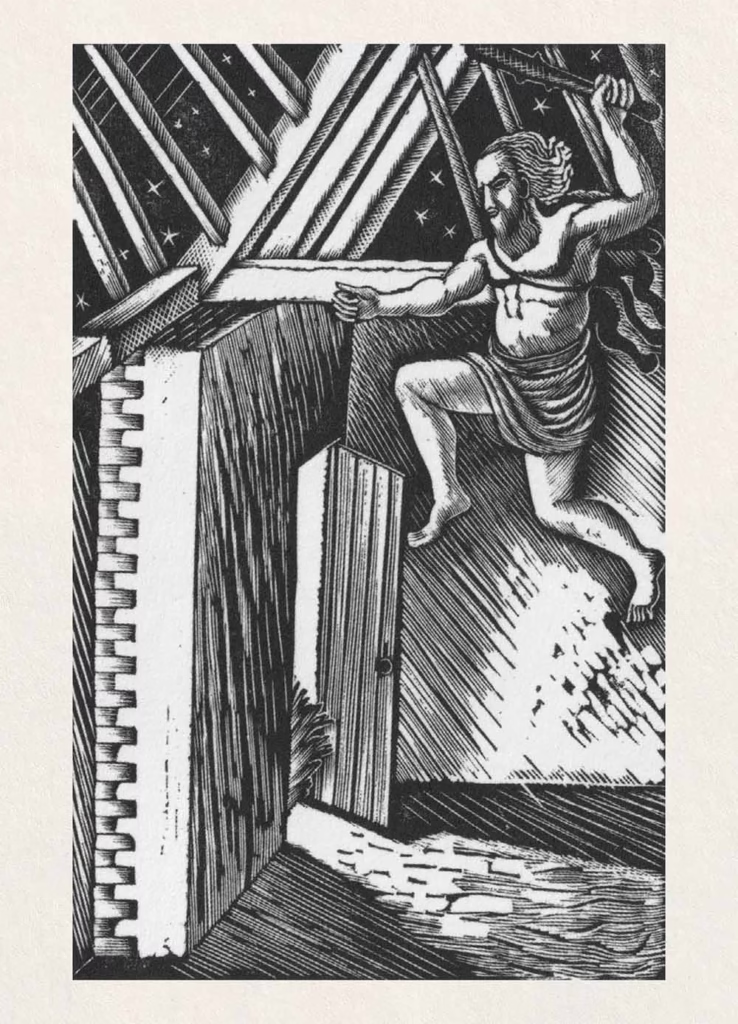
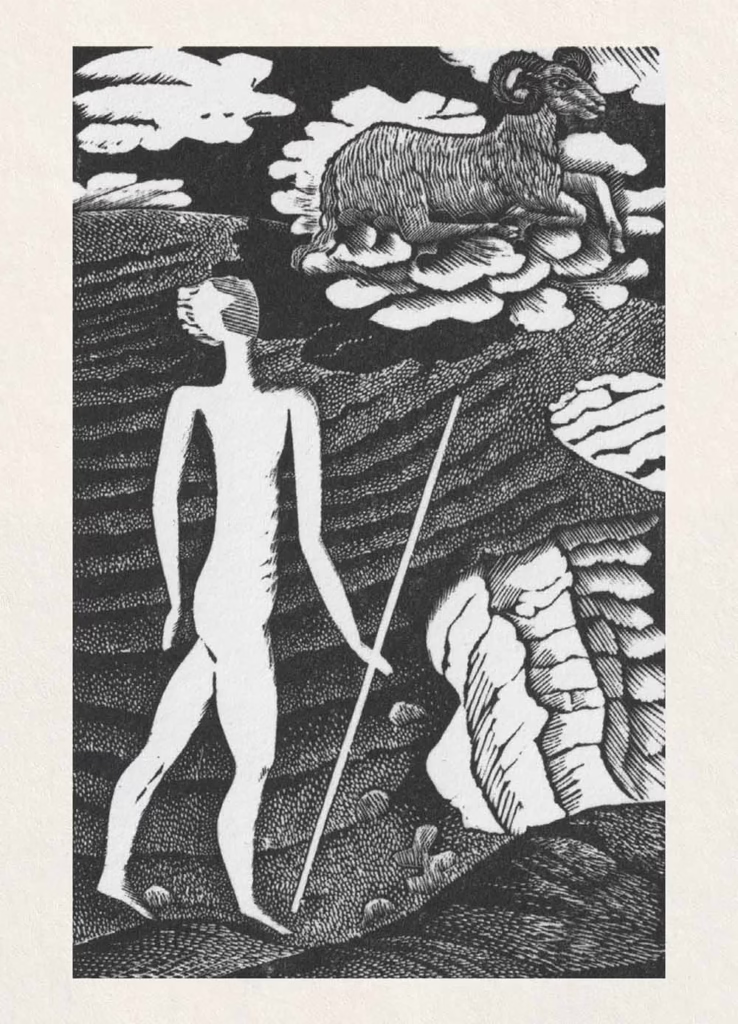
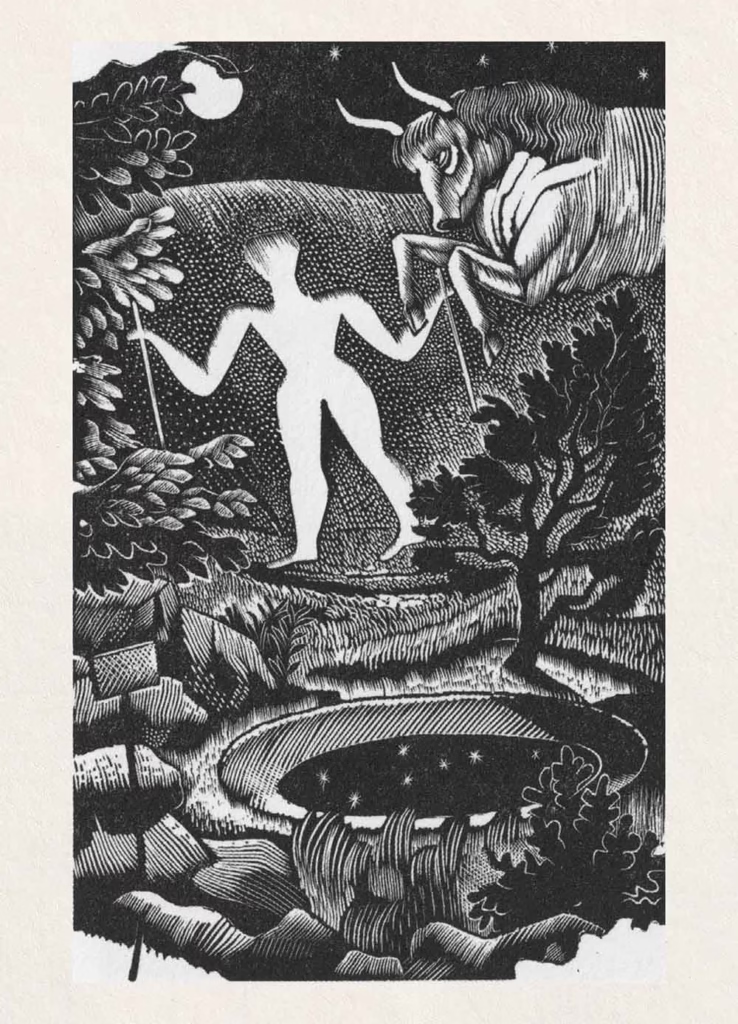
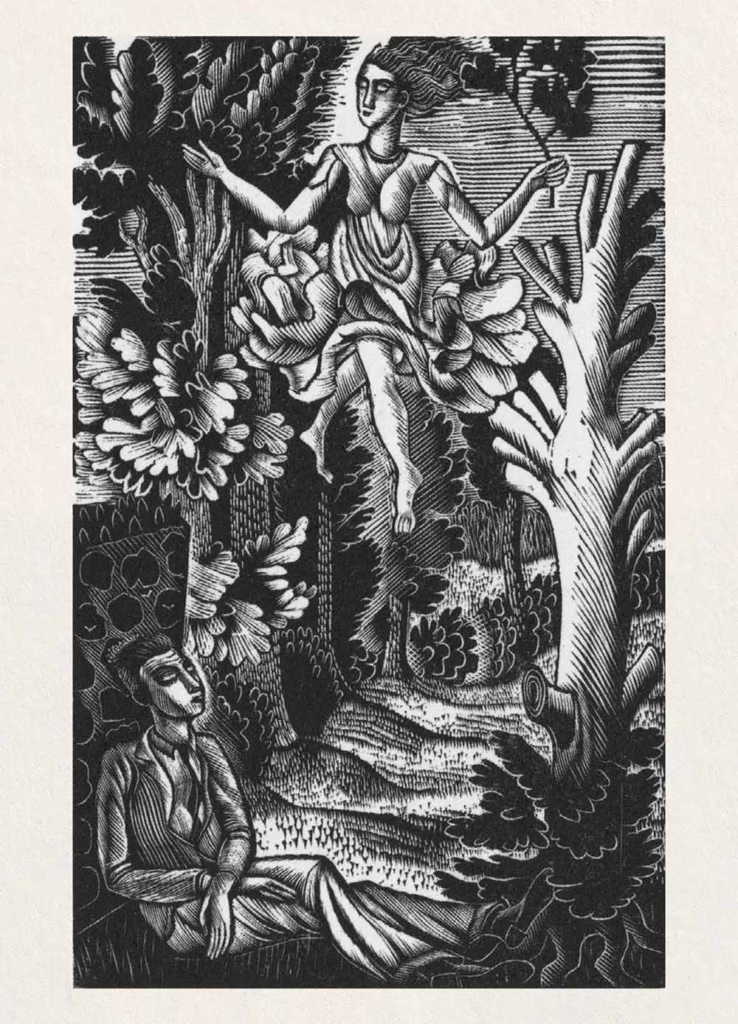
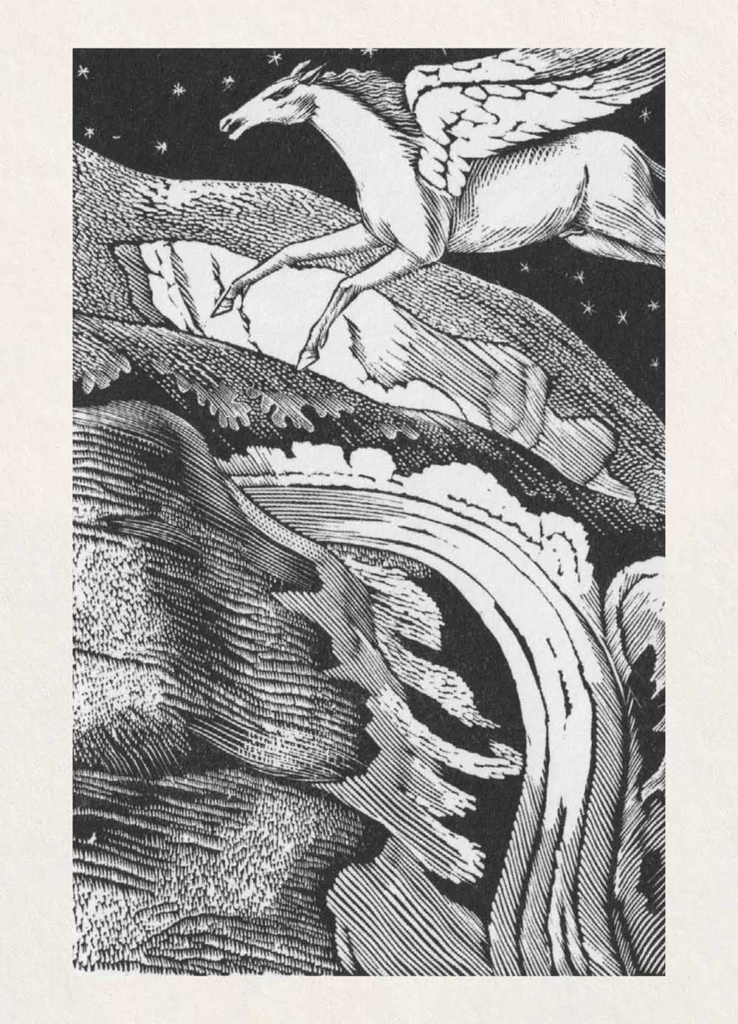
In 1928 Stanley Morison of the Lanston Monotype Corporation commissioned Eric Ravilious to produce twelve wood engravings to illustrate an almanac for 1929, based around the theme of the Zodiac. For many, if not most artists, this would have been a relatively straightforward commission given the ubiquity of the signs of the Zodiac, and the imagery that traditionally accompanies them. Ravilious however, decided on a different approach, and dethroned four of the usual constellations for those more to his liking, while retaining, but relocating a fifth.
In January for instance, Capricorn is replaced by Orion, and in June Cancer is replaced by Andromeda, while in August Leo is transformed into Virgo, and in September Virgo becomes Pegasus, while in November, Scorpio is transformed into Serpentarius. I hope that’s clear.
To my personal delight, a good number of these celestial figures are disporting themselves above the South Downs. What prompted these alterations to an established order? Fortunately Mr. Ravilious saw to it that an explanation in the form of a ‘Preface by the Engraver’ was included in the Almanac:
“Although the Zodiac is concerned chiefly with the months, not all of the decorations to this calendar belong to it. I have substituted for the Goat, Crab, Lion and Scorpion, to me more interesting constellations outside the Belt. There does seem to be a little justification for bringing Orion, Pegasus, Andromeda and Serpentarius to earth in their place since they are as much indication of their period in the year as the traditional symbols.
The Crab and the Scorpion, for some unworthy part in the bickerings of the gods, received as reward an unmerited position of honour among them. The Lion too. There is no good reason why he should have been translated. He was directed by Juno if possible to maul Hercules, and so lessen the fame of that hero: having been ignominiously slain by Hercules, he was received into the Zodiac as consolation for his pains on earth. Capricornus, an uninteresting hybrid goat-fish, is really not a more characteristic constellation of the Winter months than Orion whose stars shine as brightly and as prominently, so that perhaps in his case too the change is justifiable.
It will, I hope, be understood that the chalk figures on the hillside in the engravings of April and May have no reference to the Zodiac: they are not related in any way to the more substantial Bull and Ram who float above them. They are decorations to the landscape, deriving from the ‘Long Man’ displayed on the side of a hill at Wilmington, in Sussex; a gigantic drawing in line on the chalk, described as ‘a rude figure cut by monks of the Benedictine priory that flourished there.’ It is excellent heraldry, not by any means rudely cut: the design can be clearly seen at several miles distance.”
Eric Ravilious, 1929.
The complete set of twelve are now available as a postcard set, with which you will be able to baffle at least four of your friends with.